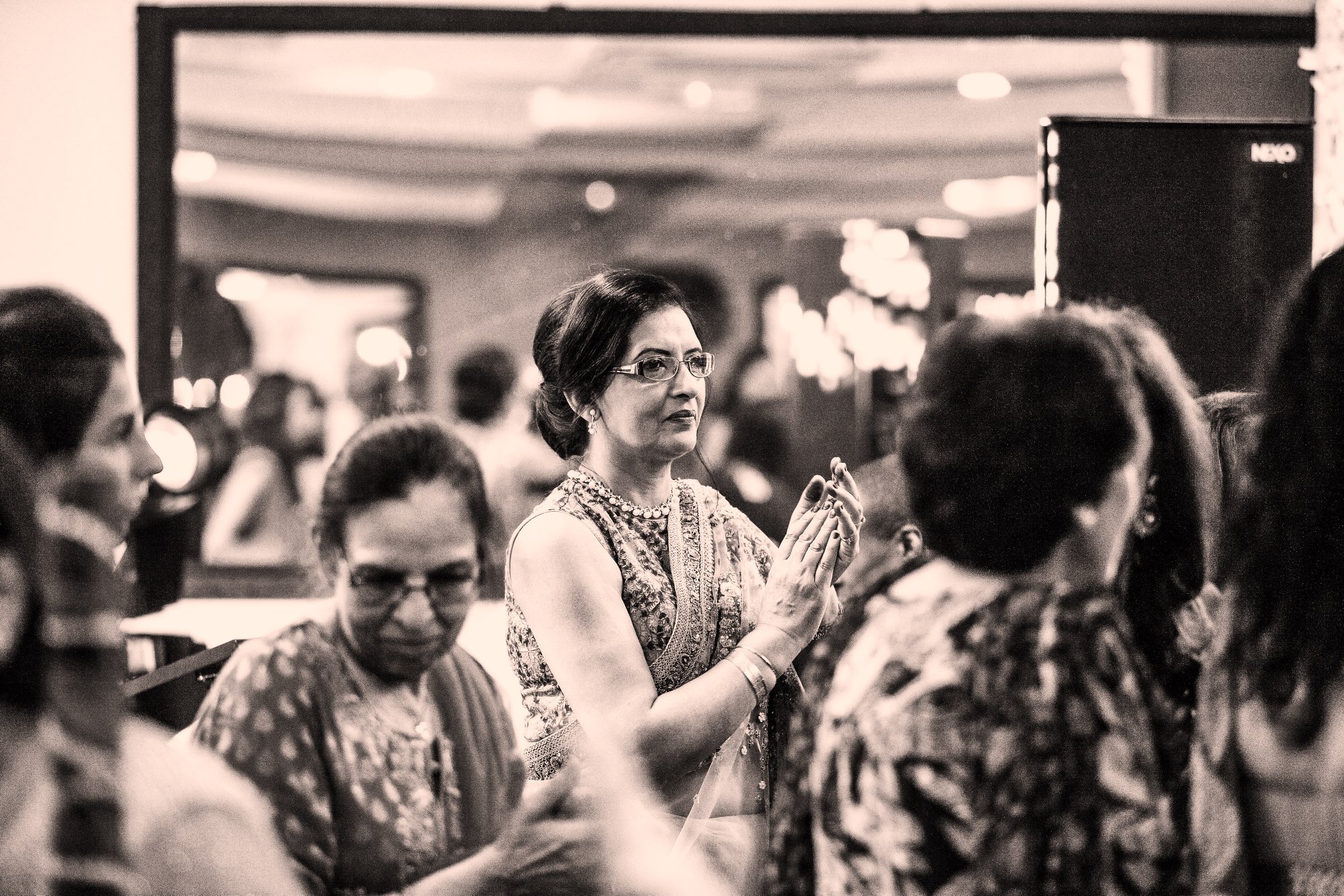
Harbinder Kaur
She didn't set out to write a book. She set out to understand where she came from.
Forty years of not knowing
Harbinder Kaur was born in Tanzania in 1956. She moved to England at nine. She grew up carrying the picture most British people had about India — that colonialism had brought progress, that what came before was backward or undocumented.
She held that picture for forty years. She says it herself in the opening pages of her book: she was ignorant, and she didn't know she was ignorant.
Then she found the family archives.
An ancestor who spent his life building what the British were trying to destroy
The Sacha family archives contained certificates, medals, photographs and letters written in both Gurmukhi and Shahmukhi Punjabi. At the centre of them was Master Bir Singh — born 1874 in Rupnagar District, Punjab.
Bir Singh left the army at thirty to spend the next four decades building schools for girls in colonial India. He co-founded the Sikh Kanya Maha Vidyalaya in Ferozepur — the only Sikh girls' boarding school in the region for 29 years. It accepted girls of every religion, every caste, every economic background, including orphans and child widows. He ran it for 39 years. He edited India's only Punjabi women's magazine for 31 years. He turned down a career in industry to stay.
His school motto, printed on every piece of stationery:
Female Education is Female Emancipation
What Harbinder also found was the destruction that came before him. Under Maharaja Ranjit Singh's Sikh Empire, Punjab had a literacy rate approaching 100%. Women were more educated than men. In 1857, the British deliberately burned the Punjabi primers — the Qaida — village by village. This is not opinion. It was documented by British scholar G.W. Leitner in 1882.
This is where the history and the health gap meet
This platform exists because South Asian women face measurably worse health outcomes in the UK. The IVF gap. The hormonal misdiagnosis. The care that was never built with South Asian women in mind.
The question worth asking is: how did those gaps get here? How did South Asian women lose the health knowledge, the bodily autonomy, the right to name what was happening in their own bodies?
Harbinder spent three years researching the answer. It starts with colonialism stripping the education that gave women that knowledge. Master Bir Singh spent his life trying to restore it. This platform is continuing that work — in a different century.
The book
Three things woven together: a history of South Asian people and Punjab from the earliest migrations through independence; a documented account of how colonial Britain dismantled one of the most advanced education systems in the world; and the biography of one family's ancestor who spent his life rebuilding it.
Written by a woman who admits she didn't know her own history — for anyone else who doesn't know theirs.
After costs, all proceeds from this book are donated to support girls' education in South Asia.
This resonates: