SAFAR
South Asian fertility and reproductive health
A journey you don't have to walk alone.
For British South Asian men and women.
Real evidence. Real culture. Real talk.
You don't have to share your story to be part of SAFAR.
Explore without an account. Choose what you share.
Voices of SAFAR
Real people. Different journeys. Experiences shared in their own words.
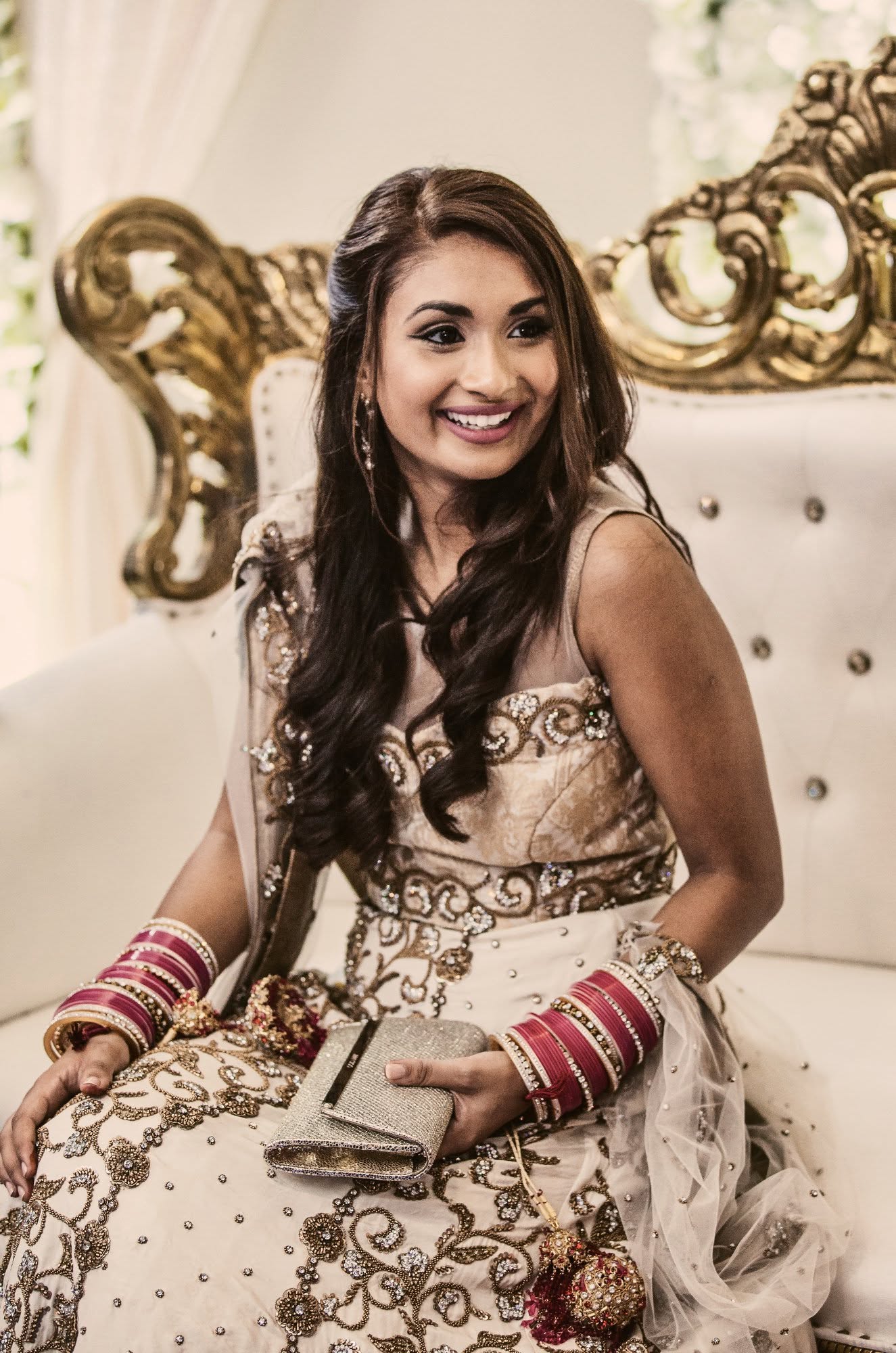
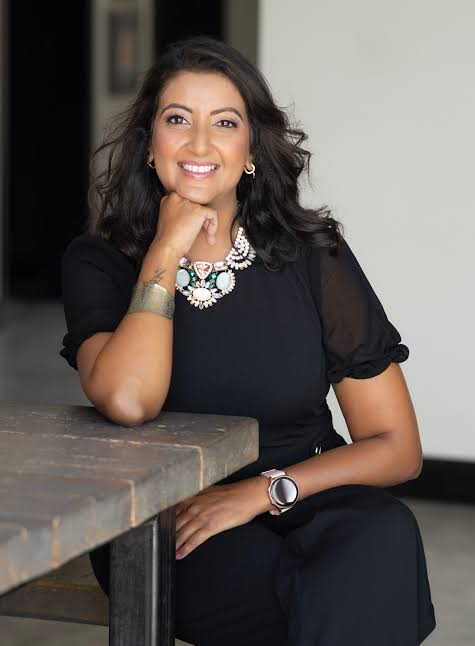
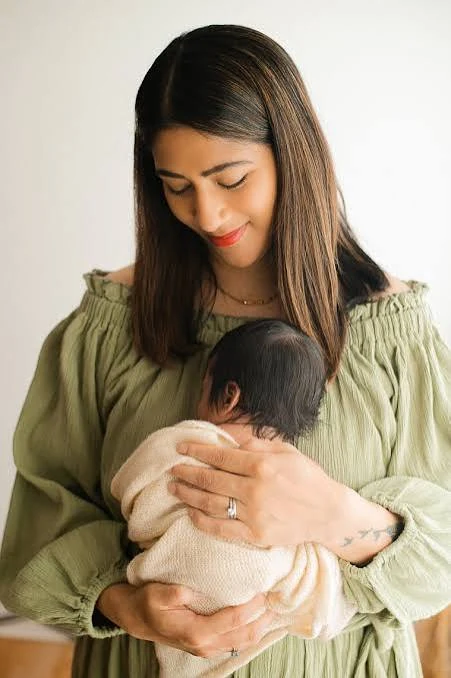
Seetal Savla
Six years, four IVF cycles, a donor egg, a miscarriage, and then a daughter conceived naturally. She writes and speaks about the fears South Asian families carry through fertility treatment, so no one has to carry them in silence.
Full story coming soon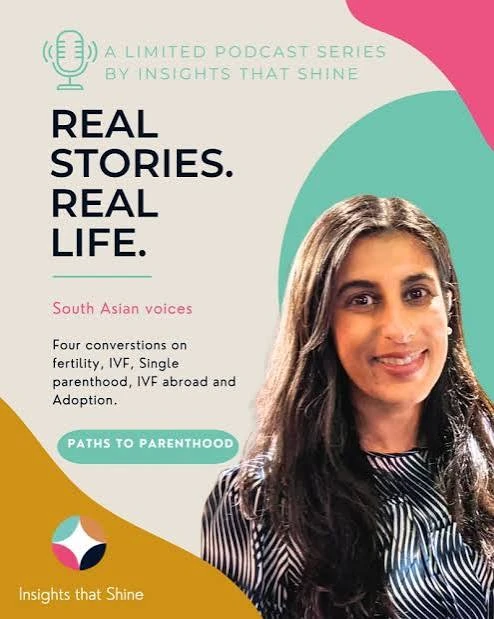
Podcast host and researcher · Lived experience
Krupa Suthar
Host of Real Stories. Real Life., a podcast of South Asian paths to parenthood.
Full story coming soon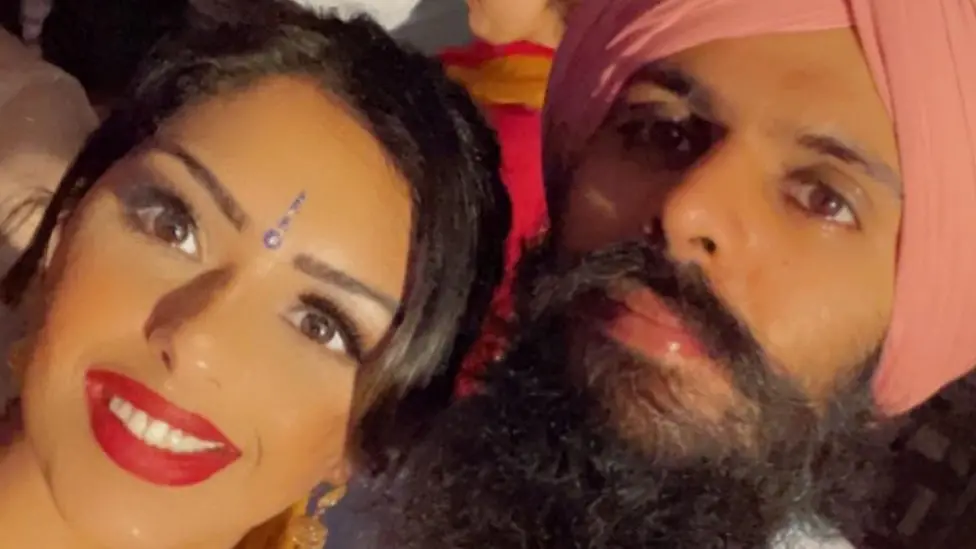
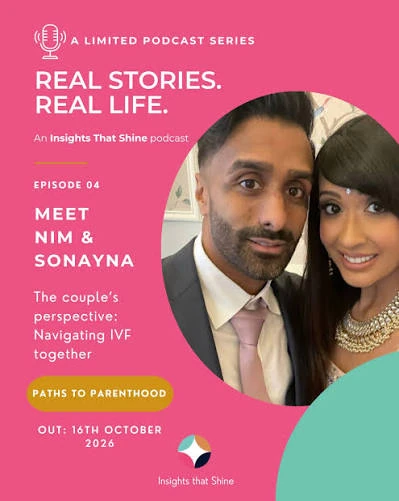
Nim and Sonayna Chandran
Nim and Sonayna went through IVF as a couple, and they talk about it openly, from both sides. Nim is a trustee of the charity Fertility Action.
Full story coming soon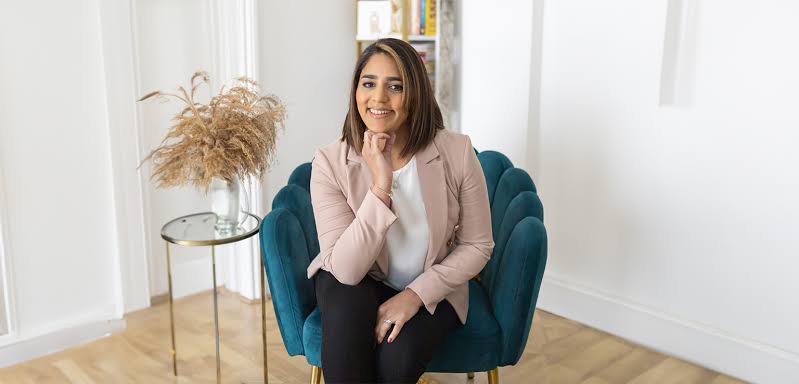
Integrative counsellor and coach · Lived experience
Anita Guru
Bringing the emotional side of fertility into the open, the part that is usually kept private.
Full story coming soon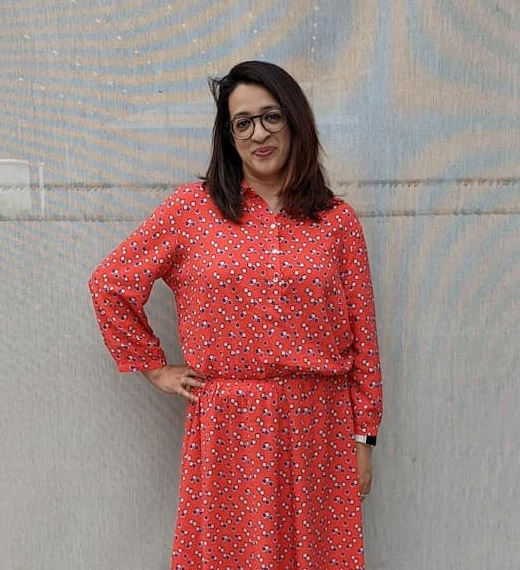
Asiya Dawood
Four miscarriages, then her daughter in 2020. Asiya broke her silence to start Asian Miscarriage Hub, so other South Asian families have somewhere to turn.
Full story coming soon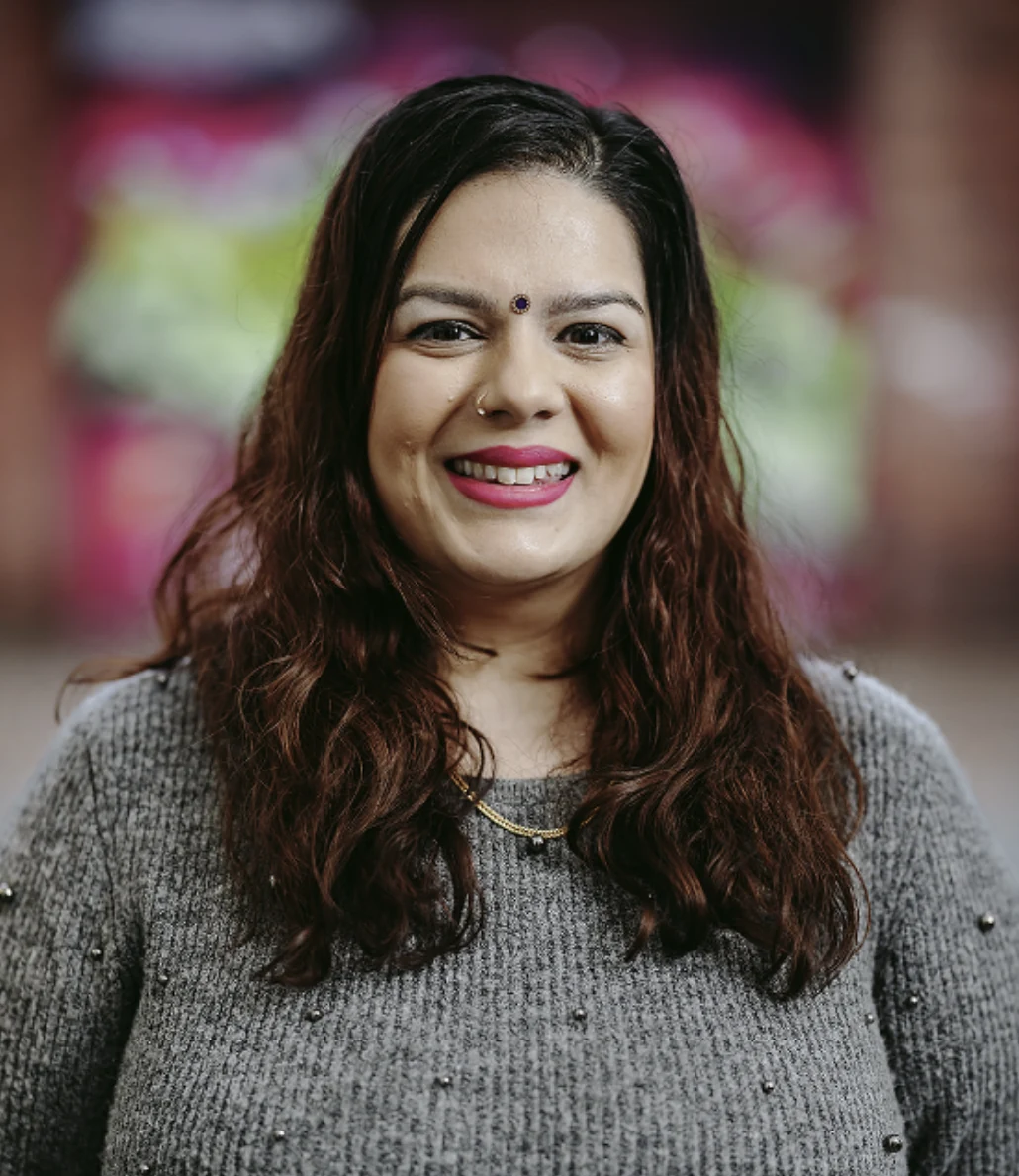
Neelam Heera-Shergill
Founder of Cysters. After recurrent miscarriages, Neelam spoke openly about the grief and now works for fairer women's and maternity care.
Full story coming soonPaths to Parenthood
A limited series from Real Stories. Real Life., Krupa Suthar's podcast.
Also on Spotify, Apple Podcasts, YouTube
Stories shared anonymously
Real SAFAR journeys, shared without names. We read every story before it goes up.
Community support

Cysters
Community-led charity closing gaps in reproductive and mental health care.
Explore support: Cysters
Sands
Pregnancy and baby-loss support, including dedicated support for South Asian communities.
Explore support: Sands- SABLAW CIC
South Asian Baby Loss Awareness
Awareness and culturally sensitive support for South Asian families after baby loss.
Explore support: South Asian Baby Loss Awareness
Useful guides
Fertility and reproductive health
How fertility can look different in South Asian bodies, for women and men.
Family pressure and relationships
Questions from relatives, silence at home, and looking after your mind along the way.
Finding support and preparing for care
Know what to ask your GP, and where to turn for support that understands you.
Watch the SAFAR reels
Short clips from the SAFAR series. Hosted by Dr Divpreet Sacha × Dr Kurren Sandhu.
Sponsored by In Vitro HealthThe series is editorially independent.
See them all on YouTubeWhy SAFAR matters
Same IVF. Worse odds. UK clinics see lower IVF birth rates for Asian patients, and the reasons are not yet fully understood.
HFEA, Fertility treatment 2024: trends and figures. Birth rate per embryo transferred, patients aged 18 to 37, 2022 to 24.
Want to join?
Get SAFAR stories, useful resources and updates, and help shape what comes next.
Ask a question without giving your name or email.
Ask anonymously
The questions no one asks out loud are the ones this campaign exists for.
No name, no email: we cannot see who you are, and we cannot reply to you personally. Selected questions are answered, anonymised, by clinicians in campaign content.
This is not medical advice. If you need help now, call Emergency services 999 or NHS 111, or speak to your GP.
Fertility questions, answered
Is fertility different for South Asian people in the UK?
Yes. South Asian bodies develop insulin resistance at a lower body weight, affecting ovulation before weight looks unusual on a chart. Over half of UK South Asians tested are severely vitamin D deficient. And regulator data shows lower IVF birth rates for Asian patients: 30% per embryo transferred versus 36% for White patients (HFEA, 2022–24).
When should a South Asian couple seek fertility help?
The 12-month rule was not written with South Asian bodies in mind. Insulin resistance can disrupt ovulation at a ‘normal’ weight, endometriosis is diagnosed years later, and our IVF birth rates run lower, so lost time costs more. Trying 6 months at any age, irregular periods, or family history? Ask your GP, and test both partners from day one.
Why do South Asian families find fertility hard to talk about?
Because it gets treated as sharam, a private failure, not a medical condition, and the blame lands hardest on women. That silence delays help, and delay shrinks options. It shows in the system too: the HFEA patient survey found Asian patients the least satisfied of any group with their fertility care.
Does male-factor infertility affect South Asian men?
Yes, and the burden is rising fastest in South Asian populations globally. Male factors are involved in roughly half of all fertility difficulties, yet testing is delayed because investigation starts with the woman. A semen analysis is simple, quick, and should happen in the first round of tests.
About SAFAR
Safar means journey. Each letter is one thing the campaign works on.
- Stigma reduction. Naming the silence, the guilt, and the burden that falls hardest on women, so it can finally start to lift.
- Access to evidence-based facts. Clear, clinical myth-busting on IVF, egg freezing and male-factor infertility.
- Family & community dynamics. Parental pressure, joint-family boundaries, faith, culture across generations, and grief, the real context our journeys happen in.
- Advocacy & patient empowerment. Walking into every appointment knowing what to ask, and knowing you are allowed to ask it.
- Resources & support networks. Support that understands where you come from.