Founder story
Dr Divpreet Sacha
I built this platform around the things I didn't have access to when I needed them most: the right information, the right language, and the right person to call. This is the story of how I got here.
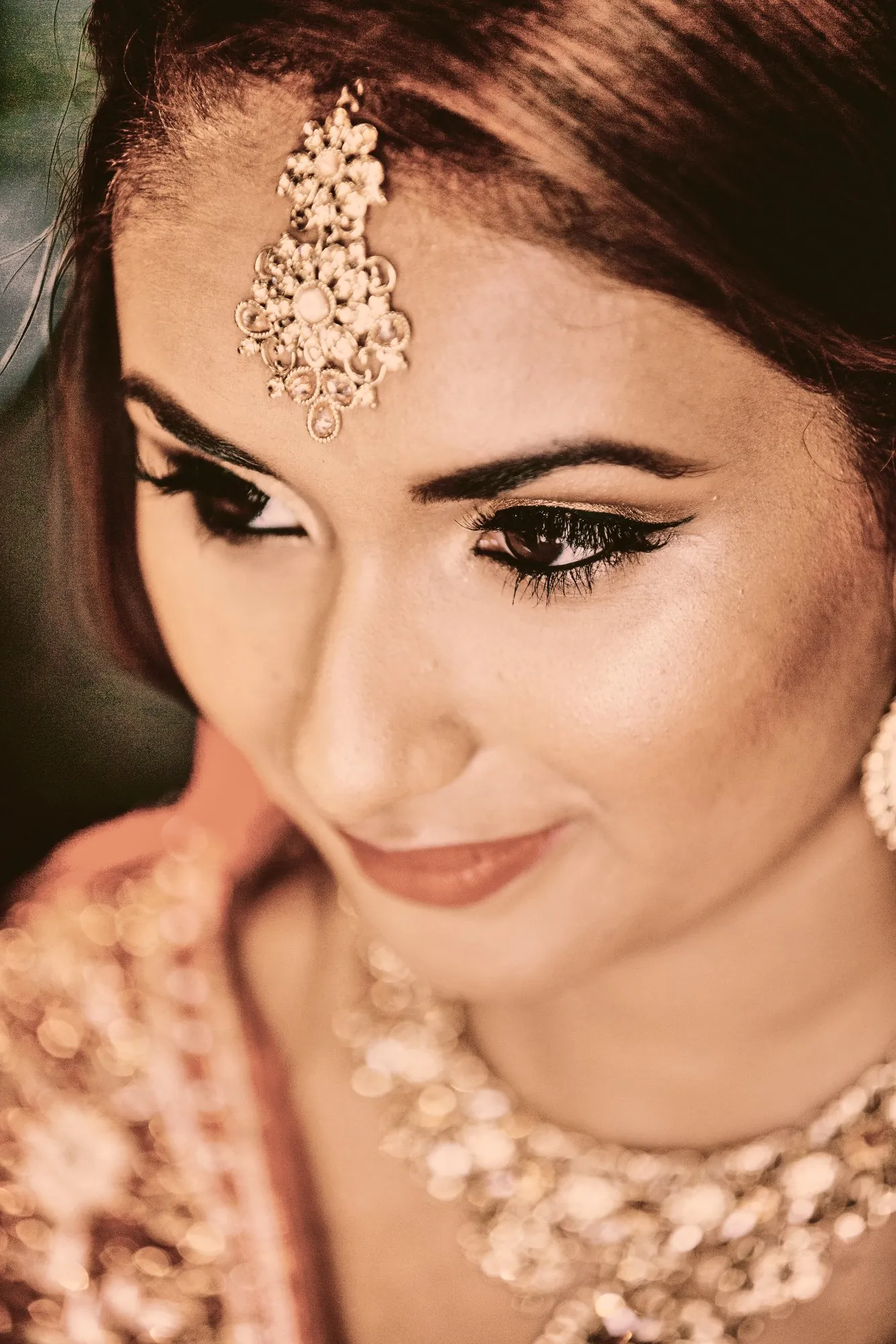
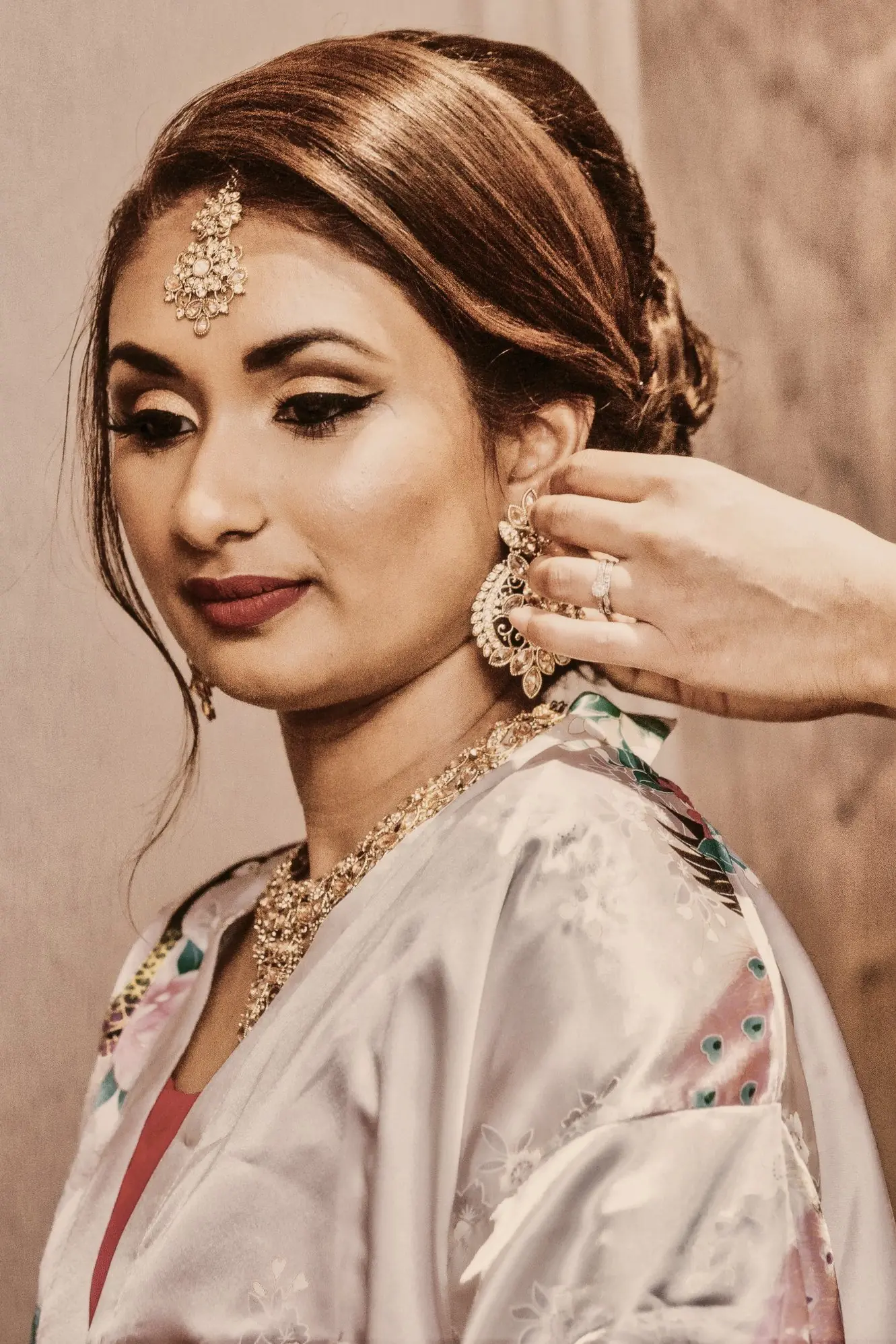
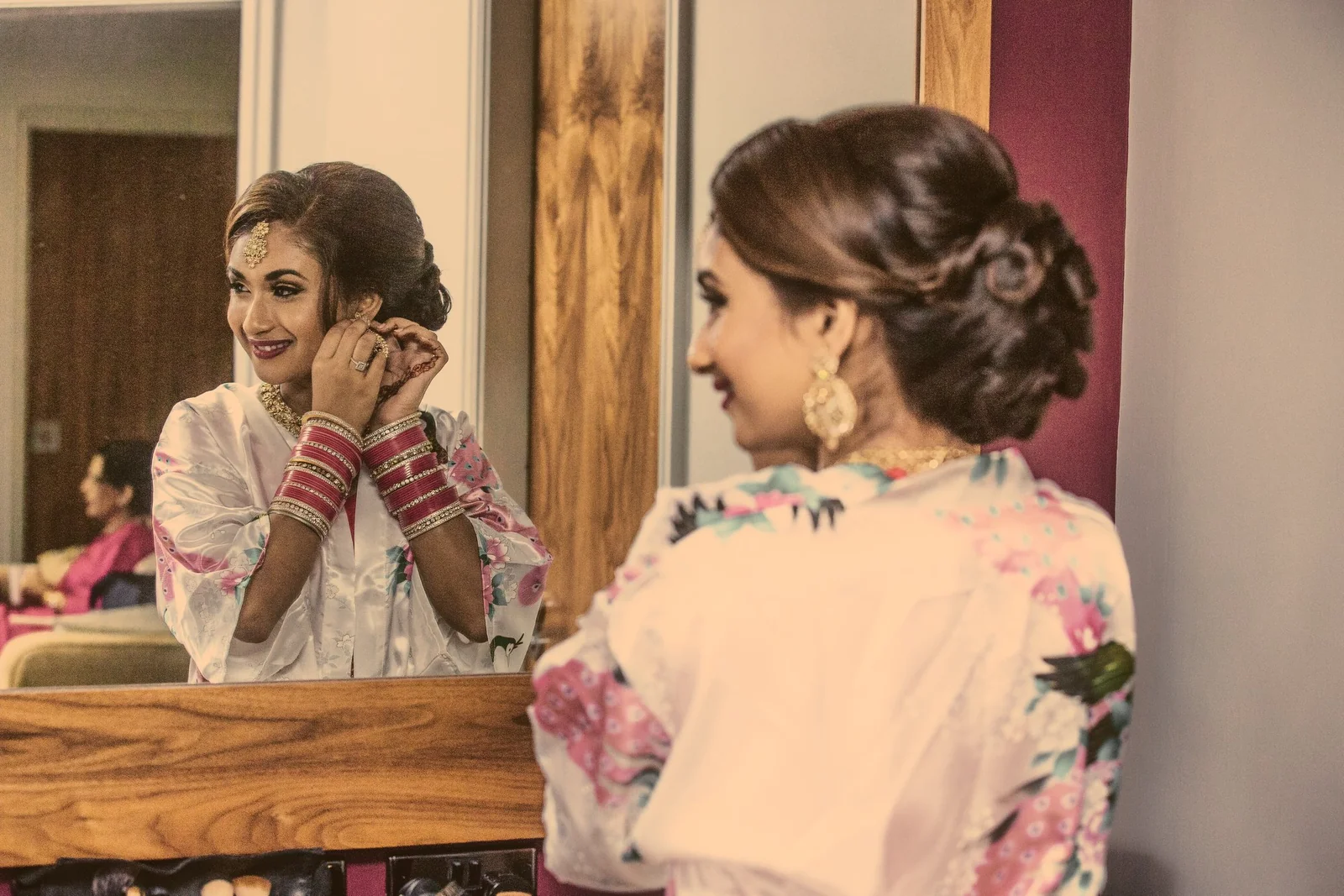
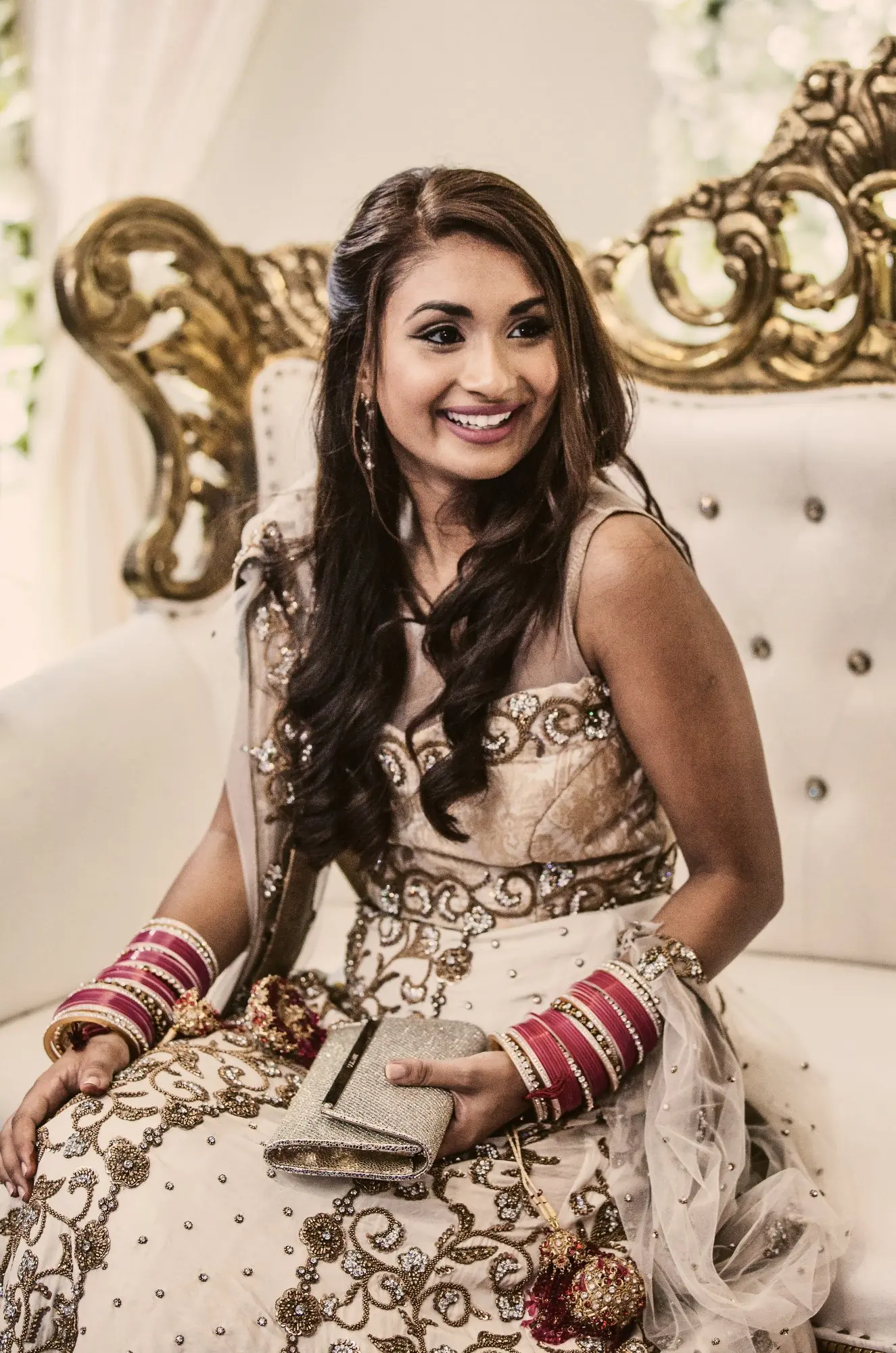
Getting ready. The day that brought two cultures together.
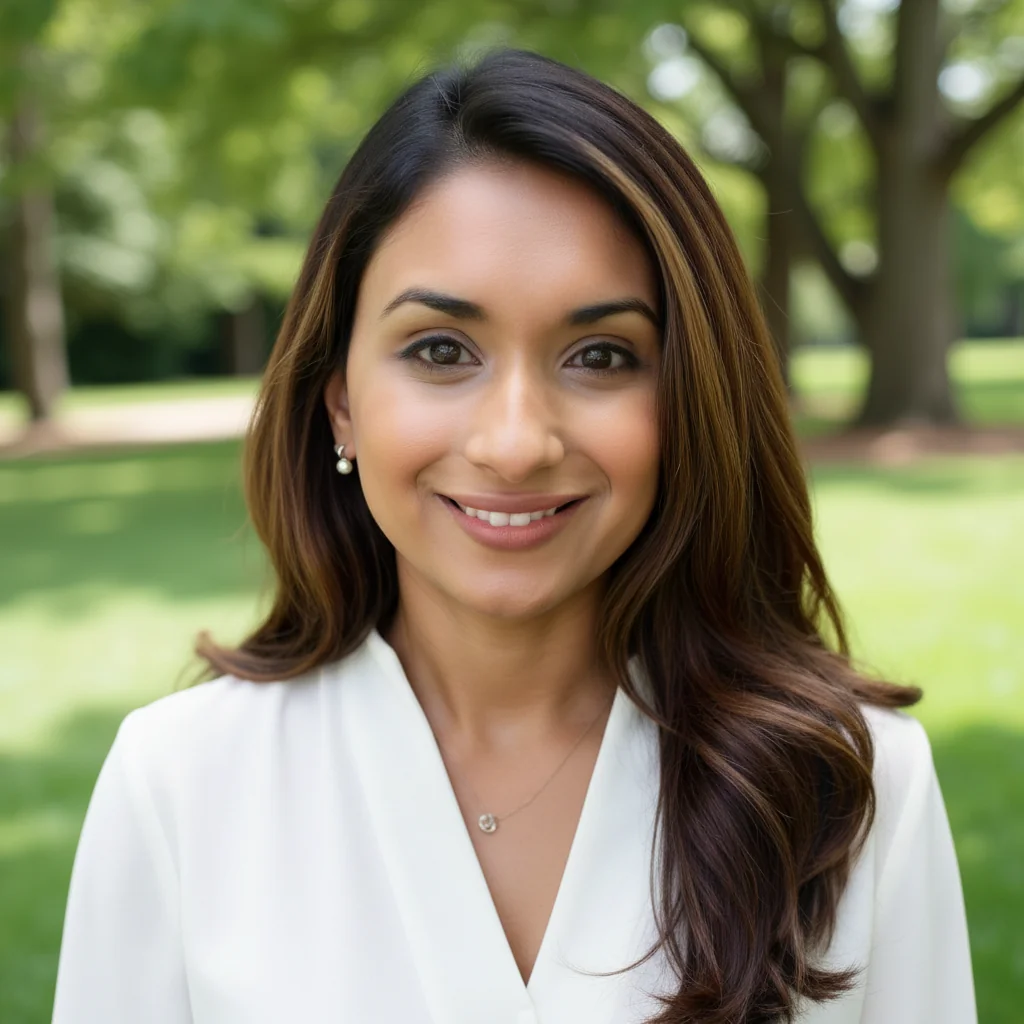
The founder
Dr Divpreet SachaMBChB · MRCGP · DipOccMedNHS-trained GP · preventative medicine clinician at Neko Health
I am Punjabi. My mother is a pharmacist. I trained as a doctor. I say that not as credentials but as context, because it matters that despite all of this, the conditions shaping my reproductive health went unnamed in our family for most of my life. The facial hair and the heavy periods every three weeks were just what the women in our family had. That was what my mum had. That was “normal”.
I had been on the contraceptive pill since I was fourteen. Not for contraception, for the pain and the heavy periods that no one had a name for yet. The pill worked, so we didn't look any deeper. I stayed on it happily until I was ready for a family.
When I tried to conceive, my periods became irregular after a few months. I'm a doctor, so I could get the tests done quickly. PMOS (formerly PCOS) was confirmed on ultrasound. They thought I had a bicornuate uterus. It turned out to be stage 3 silent endometriosis, with polyps and scar tissue on my uterus. My BMI was 22.5. “Normal” on any chart, Western or South Asian. And yet I had the full metabolic picture. Because BMI alone misses what our bodies carry. South Asians hold visceral and ectopic fat at lower BMIs than other populations. “Normal weight” doesn't mean metabolically healthy. Not for us.
I had one NHS IVF cycle. I overstimulated, which gave us six embryos: one transferred, five frozen. The negative pregnancy test came on my twenty-ninth birthday.
Between the NHS cycle and the private one, I read everything I could. Ethnicity-specific BMI thresholds. Vitamin D reading “normal” on paper but still insufficient for fertility. The research on South Asian bodies is thin, and what exists rarely reaches the clinic or gets tailored for us. The private frozen cycle worked. Six months after my first child, I conceived my second naturally.
Afterwards I spoke to my mum. As we went through her own history, it became clear she had probably had PMOS (formerly PCOS) her whole adult life. She was only diagnosed at 70, because she believed PMOS (formerly PCOS) meant visible cysts on an ultrasound. The clinical symptoms were there the whole time. Missed for a generation.
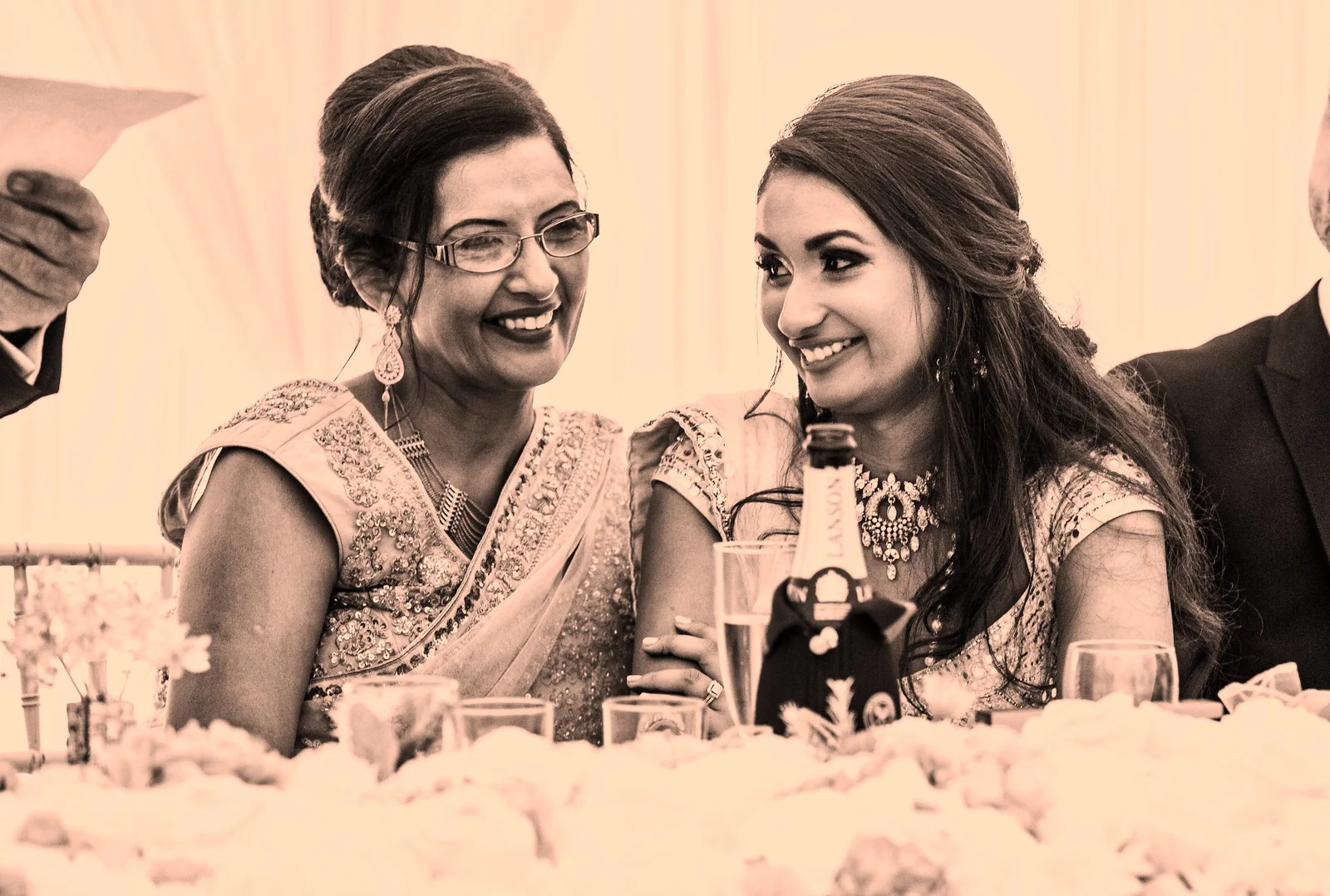
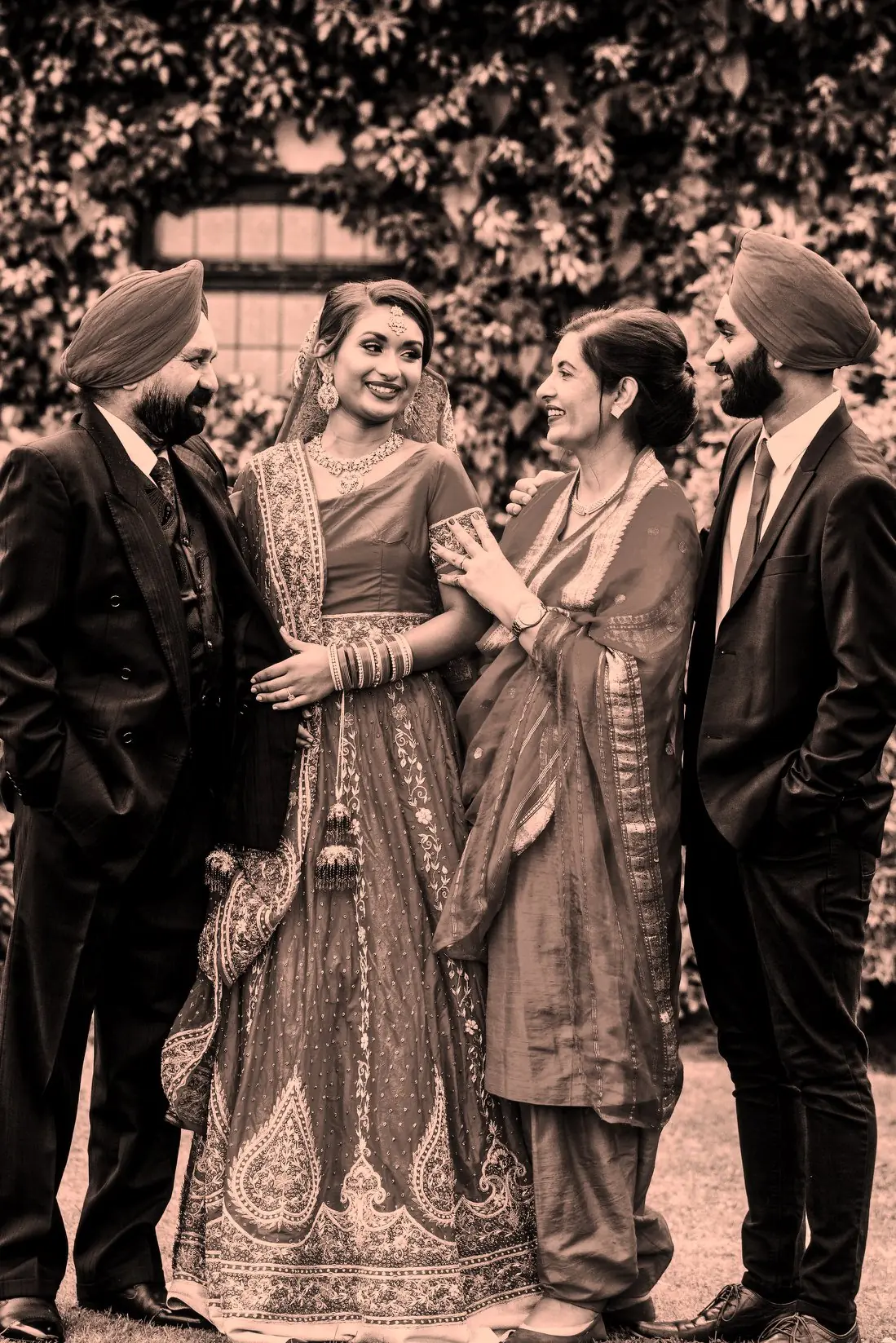
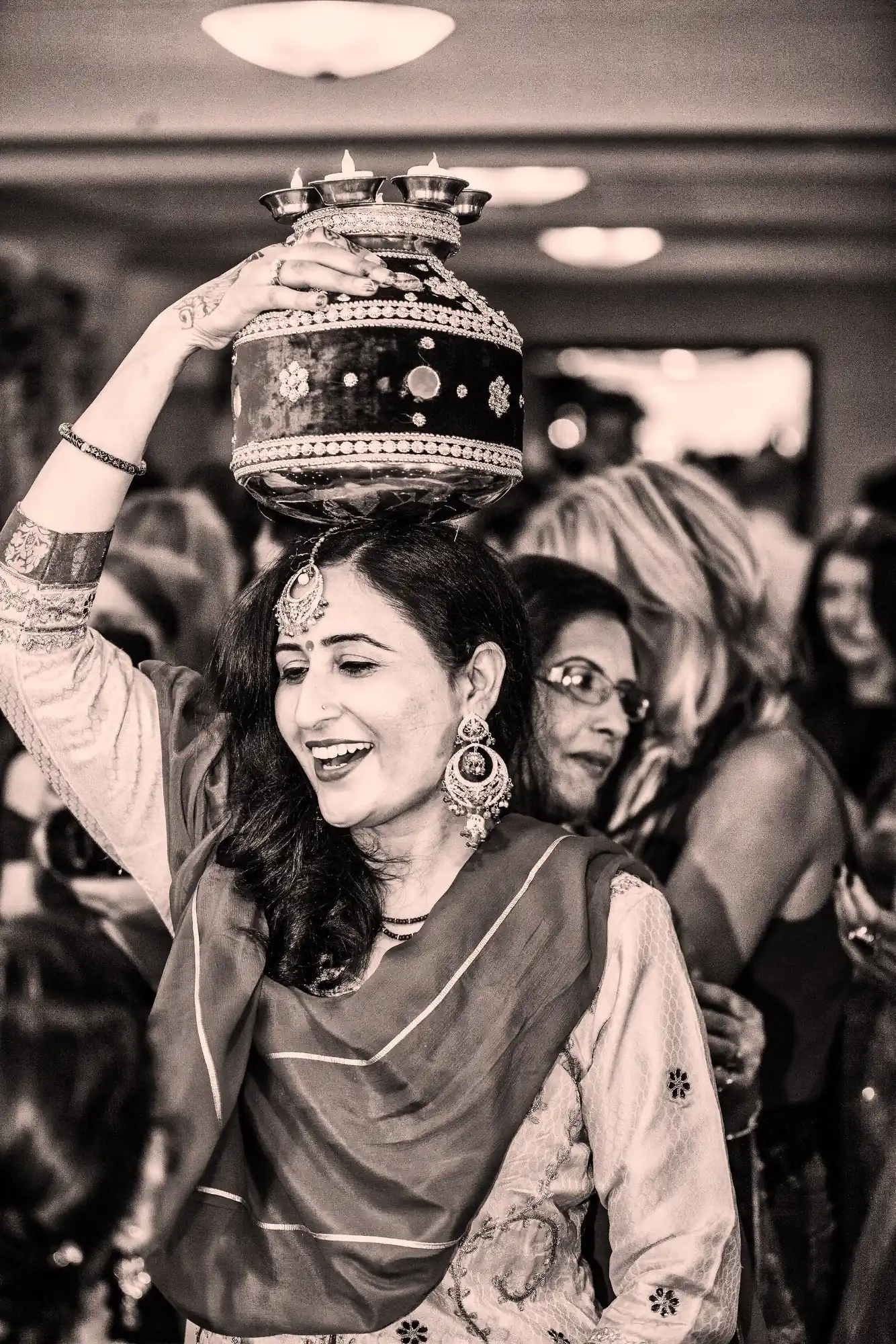
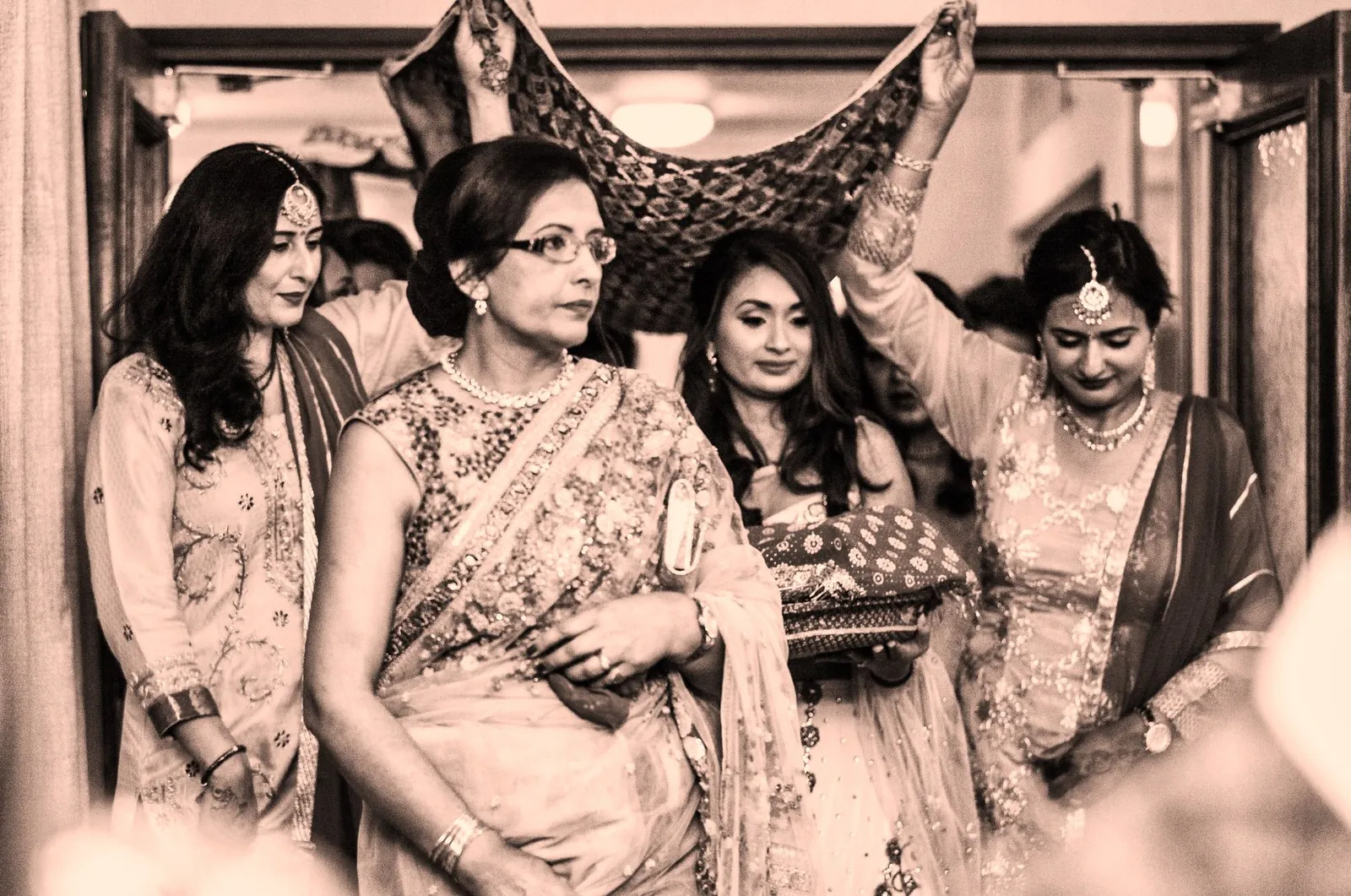
Pande-jago: the night before the wedding. The women in our family dancing.
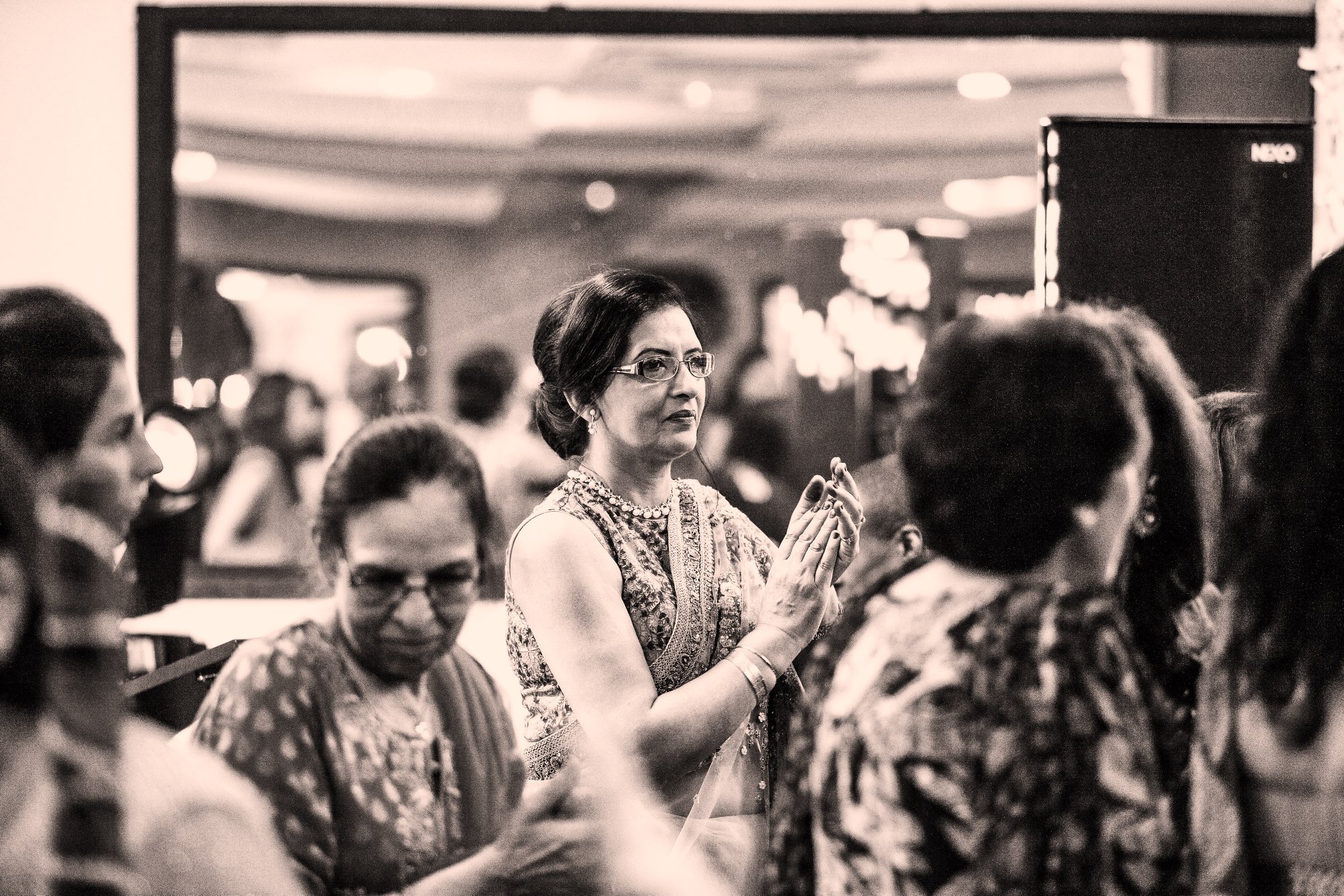
Why this exists
The research exists. It just hadn't reached us.
South Asian women in the UK face a 23-percentage-point satisfaction gap in fertility care. Pakistani women have 32% lower adjusted odds of a live birth per IVF cycle than White patients. Bangladeshi women, 47% lower. These are not biology gaps. They are information gaps, cultural silence gaps, and gaps where “normal BMI” was never calibrated for us.
Appy and Yaar are a place to learn, to prepare, to be heard, and to walk into your appointment ready. With our biology, our community, and our culture at the centre. Not as an afterthought.
This resonates:
Also from Dr Sacha
- Her Holistic Health : her clinical practice and programmes
- Hormonal Health Equity Initiative : the community interest company she founded
- OccuFertility : fertility treatment self-advocacy at work
- Her professional profile : her story and credentials at Her Holistic Health
- As heard on TheFifty1Percent podcast : endometriosis, PMOS, fertility and IVF — her personal journey
Professional roles
One doctor, many lenses: general practice, women's hormonal health, occupational health, preventative medicine, health equity and health education.
- Society of Occupational Medicine : Diplomate representative, West Midlands regional group
- Cysters : Medical Advisory Board member at the grassroots reproductive health charity
- The Health Collective (Wellbeing of Women) : member — grassroots voices shaping the UK Women's Health Strategy
- Health Equity Network : member
- Women's Health Professional Care : national conference speaker on women's health
- The Fertility Show : named speaker and expert at the UK's largest fertility event
- EOPH : working with Education for Occupational and Public Health on women's health education for occupational health professionals
- Fertility guidance for occupational health (iOH) : author of the first dedicated published guidance for occupational health practitioners on supporting employees through fertility treatment
Press and media
- The BMJ (2026) — co-author : Workplace support for women through menopause
- The BMJ : on working through IVF
- Personnel Today : on fertility support and talent drain at work
- Too Much Information : guest episode explaining PMOS (PCOS)
- HeyFlow — Unspoken : featured interview on IVF while working as a GP trainee
- Fertility vs the Feed report : expert contributor on fertility misinformation and social media
- ScreenMe : IVF preparation timeline collaboration
- Health & Safety Matters : on workplace fertility support and productivity
- IVF Babble : why employers must act on fertility support
- OVUM : clinical author on fertility evidence and NICE guidance